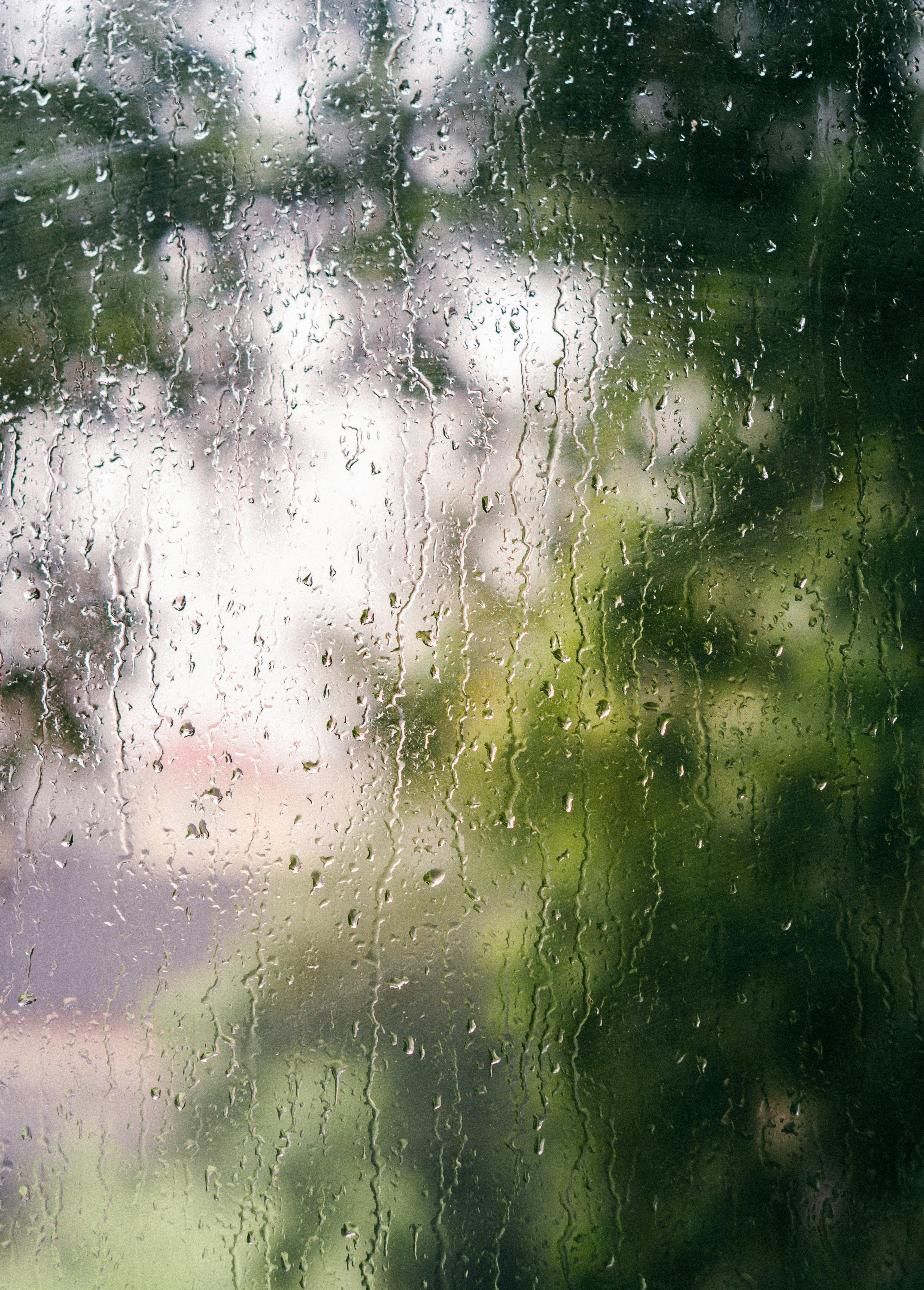
Flood watches blanketed five states this weekend, with the National Weather Service tracking eight active alerts as heavy rainfall threatens to push rivers, creeks and low-lying roads out of their banks from central New Mexico to west-central Florida.
The alerts span Alaska, Florida, Illinois, New Mexico and Texas, a geographic spread that shows how widely the rain threat has spread across the country. In New Mexico, the Weather Service said flash flooding remains possible across the South Central Mountains, the Sacramento Mountains above and below 7,500 feet, Otero Mesa and the Tularosa Basin near Alamogordo, with the threat running from Saturday afternoon through Saturday evening. Excessive runoff could send rivers, creeks and streams out of their banks and flood other low-lying, flood-prone locations, the agency said.
In west-central Florida, forecasters posted a watch covering coastal and inland Citrus, Hernando and Levy counties that runs from midday Saturday through Monday evening, driven by excessive rainfall. A separate cluster of Florida alerts covers the Big Bend region, including Bay, Gulf, Franklin, Wakulla, Taylor, Dixie, Jefferson and Liberty counties, in both coastal and inland zones.
In Texas, alerts stretch from the El Paso area — including western and eastern El Paso County and the Rio Grande Valley of eastern El Paso and western Hudspeth counties — south to Live Oak and McMullen counties. Illinois has flood alerts posted for Clinton and Scott counties, and in Alaska, the Weather Service is watching the Matanuska and Susitna valleys, including the lower Matanuska Valley and the western, southern and central Susitna Valley.
The Weather Service is urging residents in flood-prone areas to monitor later forecasts and be prepared to act if flash flood warnings are issued. Officials cautioned that river banks and culverts can become unstable and unsafe in fast-moving water, warning people to stay away from flooded waterways rather than attempt to cross them — advice summed up in the agency’s own phrase: stay away or be swept away.
None of the eight alerts had been upgraded to a flash flood warning as of Saturday, but the Weather Service said conditions could shift quickly given how much rain is expected to fall over short periods on already saturated ground. The pattern behind several of the watches — repeated rounds of heavy rain settling over the same terrain — tends to produce the most dangerous flash flooding, since it leaves water little time to drain before the next surge arrives.
Residents across the affected counties in Alaska, Florida, Illinois, New Mexico and Texas should keep close watch on official forecasts through the weekend as the situation develops.